Most technology failures don't start on installation day. They start months earlier, when the wrong questions were asked, or when the right questions weren't asked at all.
The problem usually starts well before a cable gets pulled
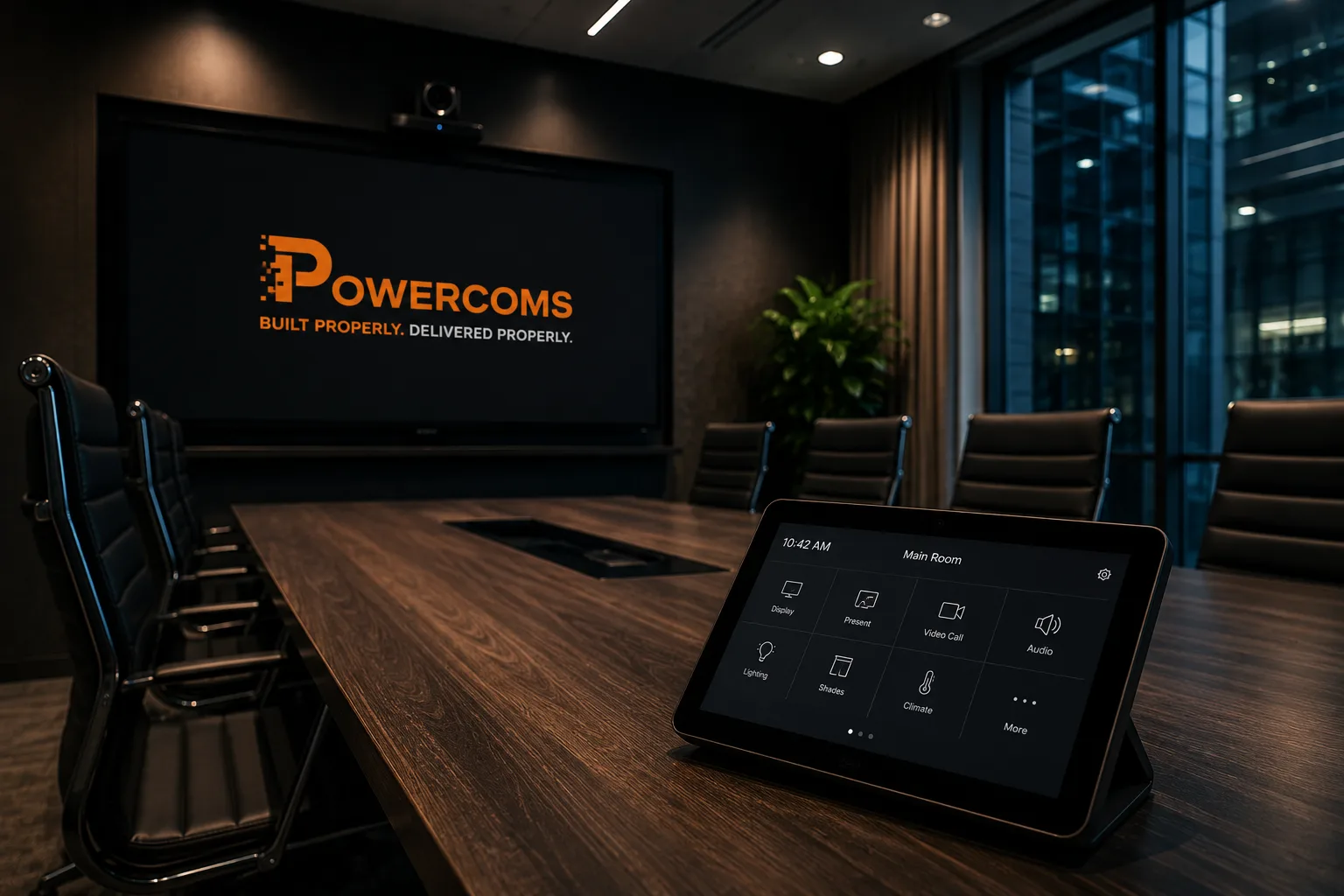
A few years back, we were brought in to review a boardroom upgrade that had already been approved and partially installed. On paper it looked fine. Large displays, quality hardware, approved budget, experienced installers.
Nobody had asked how people actually used the room.
The technology worked. The room didn't. Meetings started late. Video calls dropped. Staff avoided the system unless someone technical was available. The client thought they had a technology problem. They had a planning problem.
We've seen the same thing happen with CCTV, access control, structured cabling and network upgrades. Most failures aren't caused by bad equipment. They're caused by decisions made before installation begins.
"Most technology failures are planning failures."
Projects start with products instead of outcomes
The most common mistake we see is businesses focusing on technology before they understand what they're trying to achieve. The conversation starts with:
- We need new cameras
- We need better Wi-Fi
- We need a larger display
- We need access control
Those might all be valid. But they're not objectives. The objective is the business outcome behind the request. Without a clear outcome, projects become vulnerable to poor design decisions, incomplete scopes and costs that weren't in the original quote.
Technology should solve a business problem. It shouldn't become one.
What we actually see in the field
Businesses comparing quotes that aren't the same thing
Three vendors, three proposals. The assumption is they're pricing the same scope. They usually aren't. One includes structured cabling upgrades. Another assumes your existing infrastructure is fine. One includes commissioning, training and documentation. Another stops at handover.
The cheapest quote isn't always cheaper. Sometimes it's just missing more.
Common Mistake
Comparing quotes line by line without understanding the assumptions behind them
The equipment list is only part of the story. Infrastructure, support, commissioning, training and future scalability often have a much greater impact on long-term value than the hardware itself.
Infrastructure gets overlooked
Visible technology gets attention. The infrastructure behind it rarely does. But infrastructure is often what determines whether a project succeeds or fails.
- Network capacity
- Structured cabling condition
- Power availability
- Rack space
- Cable pathways
- Existing equipment documentation
We've seen expensive AV systems hobbled by poor networks. CCTV projects affected by inadequate cabling. Access control installs delayed because nobody identified the power requirements early enough. Technology sits on top of infrastructure. If the foundation is weak, so is the result.
End users aren't involved early enough
A technically correct solution can still miss the mark. This usually happens when the people actually using the system weren't part of the planning conversation.
Executives use boardrooms differently from training teams. Warehouse staff use security systems differently from office staff. If user requirements aren't understood, the finished system may work exactly as designed while still frustrating everyone using it.
Why it matters
Cost
Poor planning almost always increases costs. Not because the original installation is expensive, but because the rework is. Additional cabling, additional hardware, scope changes mid-install, extra site visits. Small oversights become expensive corrections.
Downtime
Technology projects run in live business environments. Poor planning increases disruption. Meeting rooms sit offline longer. Security systems stay partially operational. Network outages take longer to resolve. Downtime has a direct cost.
Reliability
A lot of systems work fine during testing. The problems show up later. During critical meetings. During incidents. During busy periods. Reliability is usually determined by design quality, not hardware quality.
Security
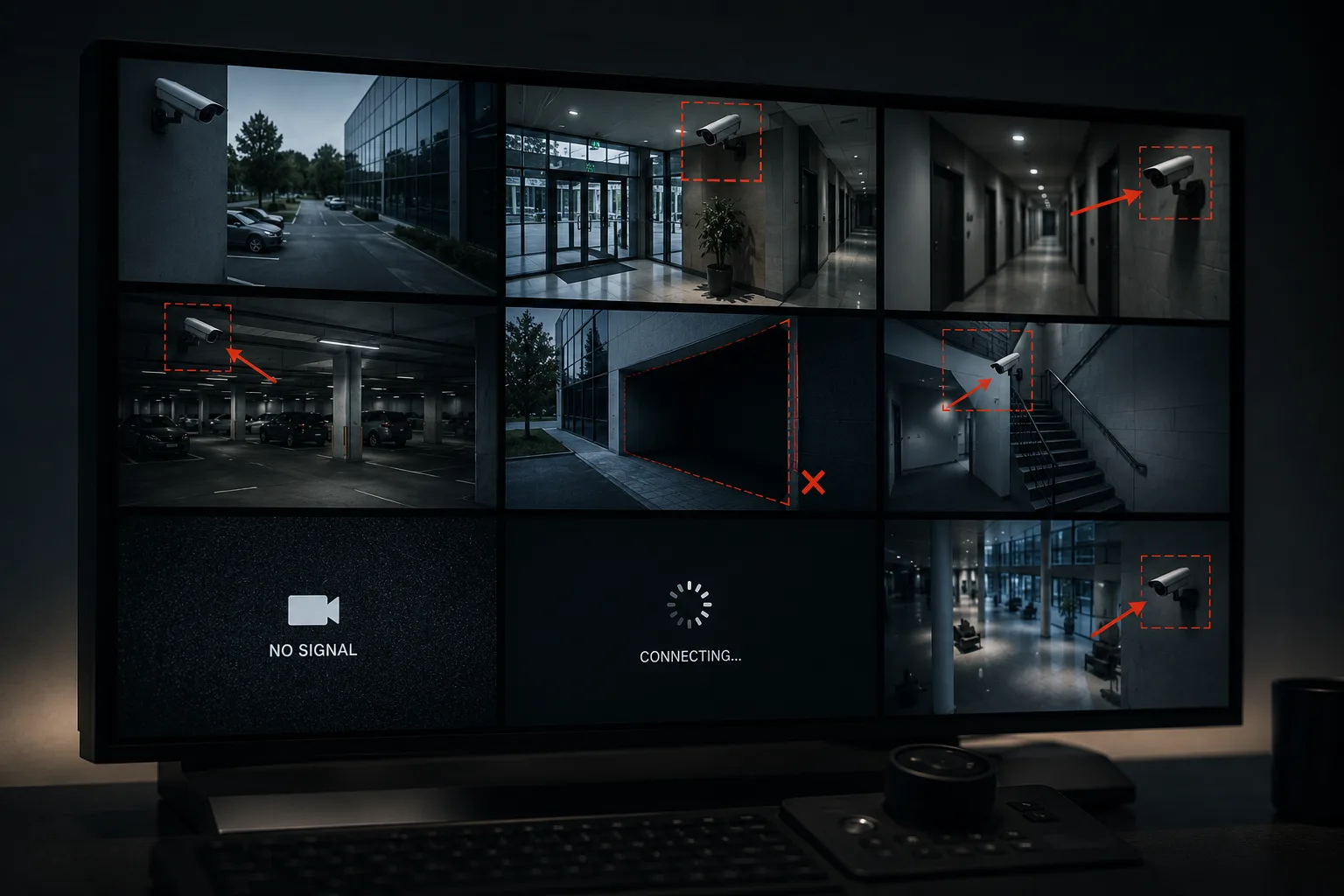
Security systems rarely get a second chance. When footage is needed, it needs to be there. When access permissions matter, they need to be right. We've seen organisations discover coverage gaps, poor retention settings and incorrect access permissions. The time to find those issues is during design, not after an incident.
Future upgrades
Most businesses evolve. Staff numbers change. Locations expand. Technology requirements shift. Future-proofing doesn't mean buying the most expensive system. It means making sensible decisions now that don't create unnecessary limitations later.
What to look for before approving a technology project
Start with the business outcome
- What problem are we actually solving?
- What does success look like?
- How will we know if it's working?
- What happens if it doesn't work?
Review the existing environment
Before selecting technology, understand the infrastructure supporting it. Network capacity, cabling condition, power availability, equipment cabinets, site access. Many expensive problems can be identified before anything gets ordered.
Establish ownership
Complex projects often involve builders, electricians, IT teams, AV specialists, security contractors and cabling installers. The biggest risk is when nobody owns the overall outcome. Before work starts, be clear on who coordinates the project, who signs off the result, and who's responsible for integration issues.
Sort support before installation
Support should be considered during design, not figured out after handover. Who supports the system? What documentation will be provided? What are the response times? How do faults get escalated? The installation is one phase of the system's life. Support is the rest of it.
Questions to ask every vendor
Free Download
Vendor Questions Checklist
A printable, fillable PDF version of every question below, with space for notes and a vendor assessment section. Bring it to your next meeting.
Project Objectives
- What business problem are we solving?
- What assumptions have been made in this design?
- How will success be measured?
Infrastructure
- Can our existing network support this?
- Is our cabling adequate, or does it need upgrading?
- Are power requirements fully understood?
- What site investigations have been done?
Scope
- What's included in this quote?
- What's excluded?
- What could generate variations during the project?
Reliability and Security
- What are the likely failure points?
- Are there single points of failure?
- Are there any coverage gaps?
- How long is footage retained?
- How are access permissions managed?
Future Growth
- Can the system expand?
- What limitations should we be aware of now?
- What will be expensive to change later?
Support
- What documentation gets handed over?
- Who owns support after installation?
- What happens when something fails?
"The organisations that get the best outcomes aren't always the ones with the biggest budgets. They're the ones that ask better questions."
The short version
The best technology projects don't start with equipment. They start with questions.
In our experience, the difference between a reliable system and an expensive lesson is usually decided before installation begins. The organisations that consistently get better results are the ones that understand their requirements, challenge assumptions and ask the right questions early.
If you're planning an AV installation, CCTV upgrade, access control project or data and electrical infrastructure work and want a second opinion before committing, we're happy to talk it through.